Pressure Washing for Schools: Planning Safe Site Access
Maintaining an educational campus requires a continuous balance between capital asset preservation and student safety. For primary and secondary schools across Melbourne Bayside, the local coastal environment introduces specific surface maintenance challenges. Salt-laden air rolling off Port Phillip Bay accelerates the degradation of building facades, while coastal dampness fosters rapid moss, lichen, and algae growth on pedestrian surfaces. Left unchecked, hardstand areas quickly become dangerous slip hazards for students, faculty, and visiting parents.
Executing commercial pressure cleaning projects within an operational or semi-operational school, however, demands far more preparation than standard commercial or residential jobs. Facility managers, business managers, and operations directors must navigate strict occupational health and safety regulations, child safety protocols, water management mandates, and vehicle management restrictions. Planning safe site access is the critical foundation that ensures pressure washing works are completed efficiently, compliantly, and without incident.
The Environmental and Operational Reality for Bayside Schools
Educational institutions in suburbs such as Brighton, Sandringham, Beaumaris, Black Rock, and Mentone sit in a distinct maritime microclimate. The proximity to the water leads to airborne sea salts settling onto external building materials, including exposed aggregate, brickwork, metal cladding, and glazed surfaces. During Melbourne's cooler, wetter months, pedestrian asphalt and concrete walkways remain shaded under dense tree canopies, creating an ideal breeding ground for biological growth.
From an operational standpoint, schools present unique density challenges. Unlike standard commercial precincts where foot traffic flows predictably through marked corridors, school grounds experience erratic, high-volume movements between periods, during recess, and at morning drop-off and afternoon pick-up times. Introducing high-powered machinery, high-pressure water https://johnnyykjn477.evergrovio.com/posts/pressure-cleaning-trends-for-bayside-homeowners-in-2026 streams, chemical treatments, and trailing supply hoses into this environment requires rigorous risk assessment and meticulously executed access planning.
Core Exterior Cleaning Demands on Modern Campuses
A comprehensive campus maintenance schedule encompasses several distinct cleaning modalities, each carrying unique access requirements and spatial footprints.
Pedestrian Walkways and Driveway Cleaning
Walkways, assembly areas, and entry thoroughfares experience high-volume foot traffic daily. Grease accumulation near canteen areas, mould on shaded ramps, and embedded dirt on concrete plazas compromise both slip resistance and aesthetic presentation. Similarly, car parks and bus drop-off loops require regular driveway cleaning to remove vehicle fluid spills, tyre rubber, and atmospheric soot. Securing site access for flat-surface cleaners and heavy-duty power washing equipment necessitates clearing these zones entirely of vehicular and foot traffic.
Building Facades and Architectural Cladding
Modern campuses feature a blend of heritage masonry, architectural timber, rendered brickwork, and composite aluminium paneling. School administrators often adapt low-pressure soft washing techniques originally pioneered in high-end residential house washing to protect these sensitive exteriors. Low-pressure chemical applications eliminate fungal spores at their roots without the structural risks associated with excessive surface pressure. Accessing these vertical facades often involves elevated work platforms (EWPs) or articulated boom lifts, demanding stable ground conditions and designated cordoned pathways.
Shade Sails, Covered Outdoor Learning Areas (COLAs), and Roof Cleaning
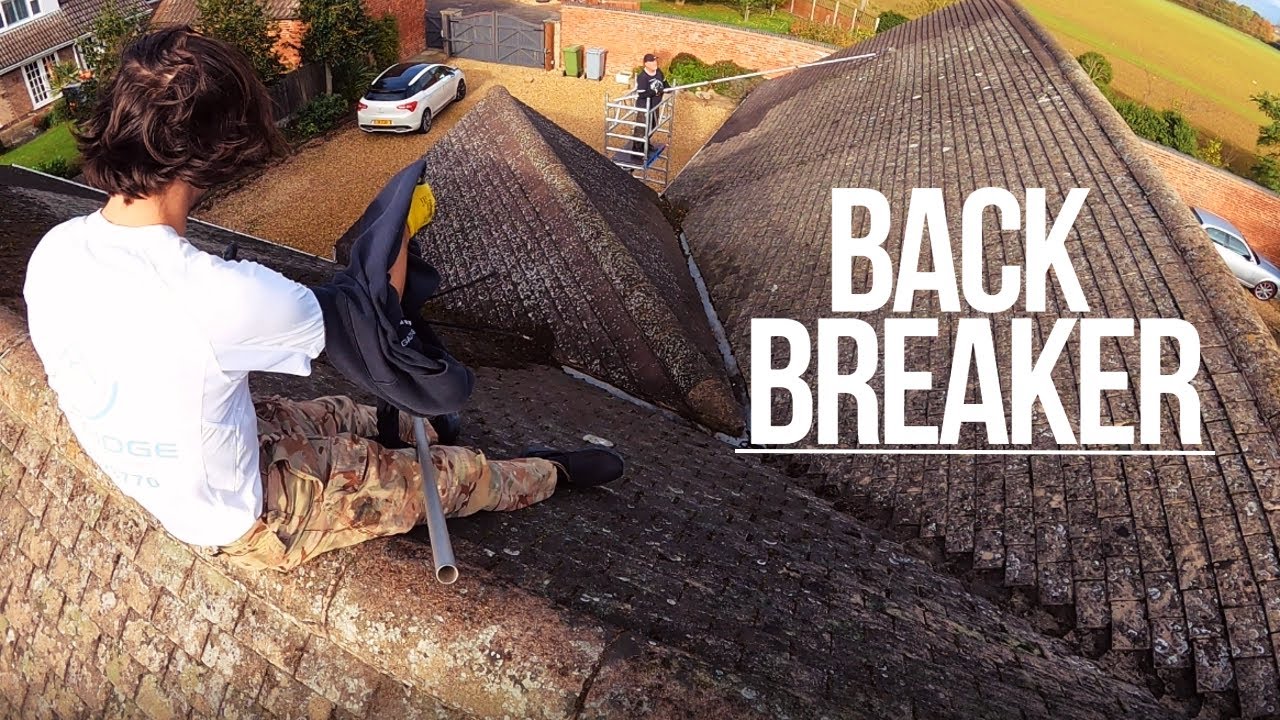
Coastal foliage and marine birds frequently deposit corrosive matter onto high-level infrastructure. Scheduled roof cleaning clears gutters, box drains, and corrugated roofing sheets of corrosive organic matter that leads to premature rust and internal ceiling leaks. Because working at heights introduces severe occupational hazards, site access planning must establish hard-exclusion zones directly beneath the roofline to protect anyone on the ground from falling tools, water spray, or dislodged debris.
Framework for Safe Site Access Planning
In 2026, educational workplace standards across Victoria emphasize systematic pre-commencement planning. Before any commercial contractor unloads equipment onto school grounds, the facility management team and cleaning contractor must execute a coordinated site access strategy.
1. Timing and Strategic Scheduling
The most reliable control measure to eliminate student exposure to high-pressure cleaning risks is segregation by time. Major works should be scheduled during term breaks, pupil-free curriculum days, or across designated weekend blocks. When pressure washing must occur during term time, contractor activities should be strictly restricted to after-hours shifts or confined to remote zones completely inaccessible to students.
2. Vehicle Movement and Delivery Logistics
Contractors operating commercial-grade power washing rigs often bring heavy utility vehicles, trailer-mounted wash units, and auxiliary water tanks onto the grounds. Clear delivery pathways must be identified to avoid damaging grassed ovals, crushing underground drainage pipes, or blocking primary emergency access routes. Vehicle movement on school grounds must be monitored by a designated spotter wearing high-visibility gear, especially if arrival or departure occurs adjacent to school operating hours.

3. Delineation and Physical Exclusion Zones
Visual warnings alone, such as perimeter safety tape, are insufficient on an educational campus. Young students frequently ignore lightweight tape or signage. Contractors must establish physical containment using temporary modular fencing, crowd-control barriers, or self-supporting hoarding to physically prevent unauthorised entry into active wash bays. Signage should explicitly state the nature of the hazard, including wet surfaces, chemical application, and high-pressure hose operation.
Safe Site Access Checklist for School Facility Managers
Before authorising high-pressure surface remediation contractors to commence operations on campus, facility coordinators should confirm the following administrative and logistical criteria:
- Contractor Accreditation and Compliance: Verification of active Working with Children Checks (WWCC) for all on-site personnel, valid public liability insurance (minimum $20 million recommended for school sites), and site-specific Safe Work Method Statements (SWMS).
- Environmental and Runoff Controls: Silt filtration screens, drain covers, or water capture vacuum reclamation units positioned to prevent wash-water and dislodged biological debris from entering Bayside stormwater drains flowing to Port Phillip Bay.
- Service Isolation and Ground Protection: Identification and marking of external electrical sockets, ground-level electrical conduits, and delicate landscaping that require isolation or protective water-resistant wraps prior to washing.
- Designated Utility Access: Pre-arranged connection points to high-flow commercial water mains that do not cross primary fire-escape corridors or active student paths.
- Clear Communication Protocols: Advance written communication issued to school staff, maintenance personnel, and out-of-hours care operators outlining active cleaning dates, restricted areas, and emergency contact details.
Managing Water Runoff and Coastal Environmental Obligations
Operating in Melbourne's Bayside region brings acute environmental responsibilities under Environment Protection Authority (EPA) Victoria regulations. School sites drain directly into local municipal stormwater systems, which discharge directly onto Bayside beaches such as Dendy Street Beach, Half Moon Bay, and Ricketts Point Marine Sanctuary.

Industrial driveway cleaning, surface degreasing, or chemical treatments derived from building washes cannot be allowed to flow directly into open stormwater grates. Compliant commercial pressure cleaning contractors must implement bunding, drain plugs, or vacuum-assisted recovery systems to capture wash water at the source. Captured wastewater must either be redirected to a permitted sewer connection via an approved trade waste agreement or retained in holding tanks for off-site treatment. Prioritising these environmental controls preserves surrounding coastal ecosystems and shields the school from severe regulatory non-compliance penalties.
Operational Protocols During Live Works
Even when work is confined to holidays or fenced zones, contractor teams must execute consistent protocols to manage hazards generated during the cleaning process.
- Tripping Hazard Management: Lay high-visibility hose protectors across any necessary thoroughfares, run water and pressure lines along building footings rather than open corridors, and secure loose lines with weighted anchors.
- Aerosol and Drift Suppression: Monitor wind velocity off Port Phillip Bay closely; suspend high-pressure vertical facade washing or soft-wash chemical applications if wind gusts risk drifting mist toward neighbouring classrooms, residences, or ventilation air intakes.
- Slip Testing and Surface Handover: Conduct thorough slip-resistance assessments on treated pedestrian paths, ensuring concrete, asphalt, and timber decks are completely rinsed of biological slime, degreasers, and surface sediments before barriers are removed.
Looking Ahead: Strategic Campus Preservation for 2027 and Beyond
The standard of educational infrastructure management is shifting from reactive intervention to proactive life-cycle preservation. Facility managers are increasingly replacing one-off emergency cleans with comprehensive multi-year preventative maintenance schedules. Structuring scheduled pressure cleaning cycles during regular school shutdowns prevents biological contaminants from becoming deeply ingrained into concrete aggregate or compromising roof coating integrity.
A proactive access plan established today creates a standardised, repeatable procedure for all future service visits. Through clear documentation of water hydrants, verified utility access routes, and standardized exclusion perimeters, schools can maintain pristine exterior presentation and slip-resistant outdoor surfaces without compromising the primary duty of care owed to their school community.
Bayside Pressure Cleaning Pros
Unit 3/3-5 Arnold St, Cheltenham VIC 3192
ph. (03) 4517 6380